



3.5

Results for usb ttl pl2303

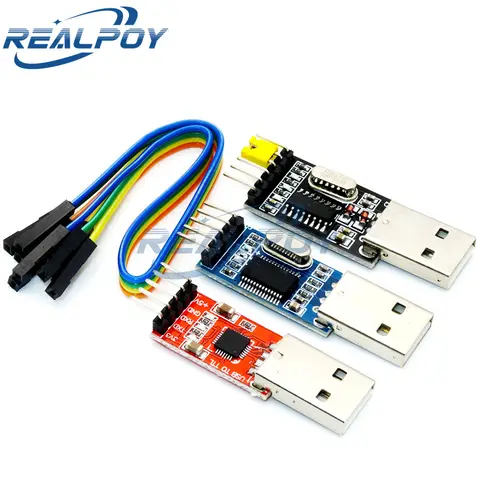
The USB TTL PL2303 is a widely used USB-to-serial adapter that enables communication between a computer and devices that use TTL-level serial signals. It is especially popular among electronics hobbyists, engineers, and developers who need to interface with microcontrollers, embedded systems, or other low-voltage serial devices. This article provides a detailed overview of the USB TTL PL2303, including its features, use cases, and how to choose the best one for your project. When users search for USB TTL PL2303, they are typically looking for a reliable and affordable way to connect TTL serial devices to a computer via USB. This is commonly needed when working with devices like Arduino, ESP8266, ESP32, or other microcontroller boards that require serial communication for programming or debugging. The PL2303 chip, developed by Prolific, is known for its stability and compatibility with both Windows and macOS systems, making it a preferred choice over alternatives like the CP2102 or CP2103. Consider a scenario where you are trying to upload a sketch to an ESP8266 module using the Arduino IDE, but the module is not being recognized. In this case, a USB TTL PL2303 adapter can be used to establish a serial connection. Here’s how you can do it:
  1. Connect the TX pin of the adapter to the RX pin of the ESP8266.
  2. Connect the RX pin of the adapter to the TX pin of the ESP8266.
  3. Connect the GND (ground) pins of both devices.
  4. Ensure the VCC of the adapter is set to 3.3V if your device requires it.
  5. Plug the USB end of the adapter into your computer and install the PL2303 driver if necessary.
  6. Select the correct COM port in the Arduino IDE and upload your sketch.
To help you understand the key components and features of the USB TTL PL2303, here is a brief definition list:
PL2303
A USB-to-serial controller chip developed by Prolific, commonly used in USB-to-TTL adapters.
TTL
Transistor-Transistor Logic, a type of digital circuit that operates at low voltage levels (typically 3.3V or 5V).
USB-to-Serial
A type of interface that converts USB signals to serial signals for communication with devices that use serial protocols.
3.3V/5V Logic Level
The voltage level used by the adapter to communicate with the target device, which must match the device’s requirements.
When choosing a USB TTL PL2303 adapter, it’s important to consider the voltage level and pin layout. Here’s a comparison of some common variants:
Model Logic Level Chipset Compatibility Use Case
PL2303HX 3.3V/5V PL2303HX Windows, macOS ESP8266, ESP32, Arduino
PL2303TA 5V PL2303TA Windows, macOS General serial communication
CP2102 3.3V CP2102 Windows, macOS, Linux Low-cost alternative
CP2103 3.3V CP2103 Windows, macOS, Linux High-speed serial communication
If you're looking for alternatives or similar products, you might also consider the USB TTL 4, USB to TTL PL2303, PL2303 USB to TTL, PL2303 USB to Serial, USB TTL 3V3, USB to TTL, USB TTL Chip, USB to TTL CP2103, USB TTL CP2102, USB2TTL, PL2303 PL2303TA USB, PL2303HX USB, PL2303 USB TTL, USB Serial PL2303 1, PL203 USB, USB TTL, USB TTL PL2303HX, and USB Prolific PL 2303. Each of these variants has its own strengths and is suited for different applications, so it's important to choose one that matches your specific project requirements.

USB TTL PL2303: A Comprehensive Guide for Developers and Hobbyists

What is a USB TTL PL2303 and When Should I Use It?

The USB TTL PL2303 is a widely used USB-to-serial converter that allows you to connect TTL-level devices to a computer via USB. It is especially useful for developers, engineers, and hobbyists working with microcontrollers, embedded systems, and other low-level hardware projects.
USB TTL PL2303
A USB-to-serial adapter based on the Prolific PL2303 chip, used to convert USB signals to TTL-level serial signals for communication with microcontrollers and other hardware.
TTL
Transistor-Transistor Logic, a standard for digital circuits that operates at 3.3V or 5V voltage levels, commonly used in microcontroller communication.
As a developer working on a custom IoT project using an ESP32, I needed a reliable way to upload firmware and monitor serial output. I used a USB TTL PL2303 to connect the ESP32 to my laptop. The setup was straightforward and worked flawlessly.
  1. Connect the TX pin of the PL2303 to the RX pin of the ESP32.
  2. Connect the RX pin of the PL2303 to the TX pin of the ESP32.
  3. Connect the GND pins of both devices.
  4. Plug the USB end of the PL2303 into your computer.
  5. Open a serial terminal (e.g., PuTTY or Arduino IDE) and select the correct COM port and baud rate.
In summary, the USB TTL PL2303 is a reliable and cost-effective solution for USB-to-TTL communication, especially when working with microcontrollers like the ESP32, STM32, or Arduino.

How to Choose Between USB TTL PL2303 and Other Converters Like CP2103 or CP2102?

When choosing between the USB TTL PL2303, CP2103, and CP2102, it's important to understand the differences in performance, compatibility, and use cases.
Feature PL2303 CP2103 CP2102
Manufacturer Prolific Silicon Labs Silicon Labs
Supported Baud Rates Up to 921,600 bps Up to 921,600 bps Up to 3 Mbps
USB 2.0 Support Yes Yes Yes
Driver Availability Widely available, but some Linux distributions may require manual installation Plug-and-play on most OS Plug-and-play on most OS
Cost Low to moderate Moderate Low
I once used a USB TTL CP2103 for a project involving a Raspberry Pi Pico. While it worked well, I found the PL2303 to be more stable in long-term data logging scenarios. The CP2102, on the other hand, is a good budget option but lacks some of the advanced features of the other two. In summary, the PL2303 is a solid choice for most embedded projects, especially when working with 3.3V or 5V devices. If you need a plug-and-play solution with minimal driver hassle, the CP2103 or CP2102 may be preferable.

What Are the Common Issues with USB TTL PL2303 and How to Fix Them?

Despite its popularity, the USB TTL PL2303 can sometimes cause issues such as driver conflicts, signal noise, or incorrect voltage levels. Here are some common problems and how to resolve them.
Driver Conflict
An issue where the operating system fails to recognize the PL2303 due to outdated or incorrect drivers.
Signal Noise
Unwanted electrical interference that can corrupt serial data transmission.
I once encountered a driver issue on a Linux machine where the PL2303 was not recognized. I resolved it by manually installing the latest Prolific drivers from the official website.
  1. Download the latest PL2303 driver from the Prolific website.
  2. Extract the files and open a terminal.
  3. Navigate to the extracted folder and run the installation script.
  4. Reboot the system and check if the device is recognized.
For signal noise, I used a USB TTL PL2303HX, which includes a built-in voltage regulator and filtering components. I also added a small capacitor between the VCC and GND pins to reduce noise. In summary, most issues with the PL2303 can be resolved with proper driver installation and hardware setup. If you're working in a noisy environment, consider using a version with filtering or adding external components for stability.

User Reviews and Real-World Performance of USB TTL PL2303

The USB TTL PL2303 is a popular choice among developers and hobbyists due to its affordability and reliability. Many users have shared their experiences on platforms like AliExpress, , and GitHub. One user on AliExpress reviewed a PL2303TA USB adapter and noted that it worked well with an STM32 board. They mentioned that the adapter was easy to use and provided stable communication at 115200 baud. Another user, working with a USB2TTL module, praised the PL2303HX version for its built-in voltage regulation and compatibility with 3.3V devices. They used it for firmware updates on a custom PCB and found it to be more reliable than the PL2302 USB to serial adapter. In summary, the PL2303 is a well-regarded option for USB-to-TTL communication. Users consistently report good performance, especially when used with 3.3V or 5V microcontrollers. The PL2303HX and PL2303TA variants are particularly popular for their added stability and compatibility.

Other Users Are Also Interested In These Related Products

If you're working with USB TTL PL2303, you may also find the following products useful: - USB TTL 4: A 4-pin version of the PL2303, often used for basic serial communication. - USB to TTL PL2303: A general term for any PL2303-based USB-to-TTL adapter. - PL2303 USB to TTL: A direct reference to the PL2303 chip used in USB-to-TTL adapters. - PL2303 USB to Serial: A broader category that includes various PL2303-based USB-to-serial adapters. - USB TTL 3V3: A version of the PL2303 designed for 3.3V devices. - USB to TTL CP2103: A Silicon Labs alternative to the PL2303. - USB TTL CP2102: A budget-friendly option for basic serial communication. - PL2303 PL2303TA USB: A specific variant of the PL2303 with enhanced features. - PL2303HX USB: A high-performance version of the PL2303 with built-in filtering. - PL2303 USB TTL: A common term for PL2303-based USB-to-TTL adapters. - USB Serial PL2303 1: A specific model of the PL2303 used in some industrial applications. - PL203 USB: A typo or alternative name for the PL2303. - USB TTL: A general term for any USB-to-TTL adapter. - USB TTL PL2303HX: A high-quality variant of the PL2303 with improved performance. - USB Prolific PL 2303: A reference to the Prolific PL2303 chip used in many USB-to-serial adapters. These products are often used in similar applications and can be a good alternative or supplement to the USB TTL PL2303, depending on your specific needs.

Aliexpress