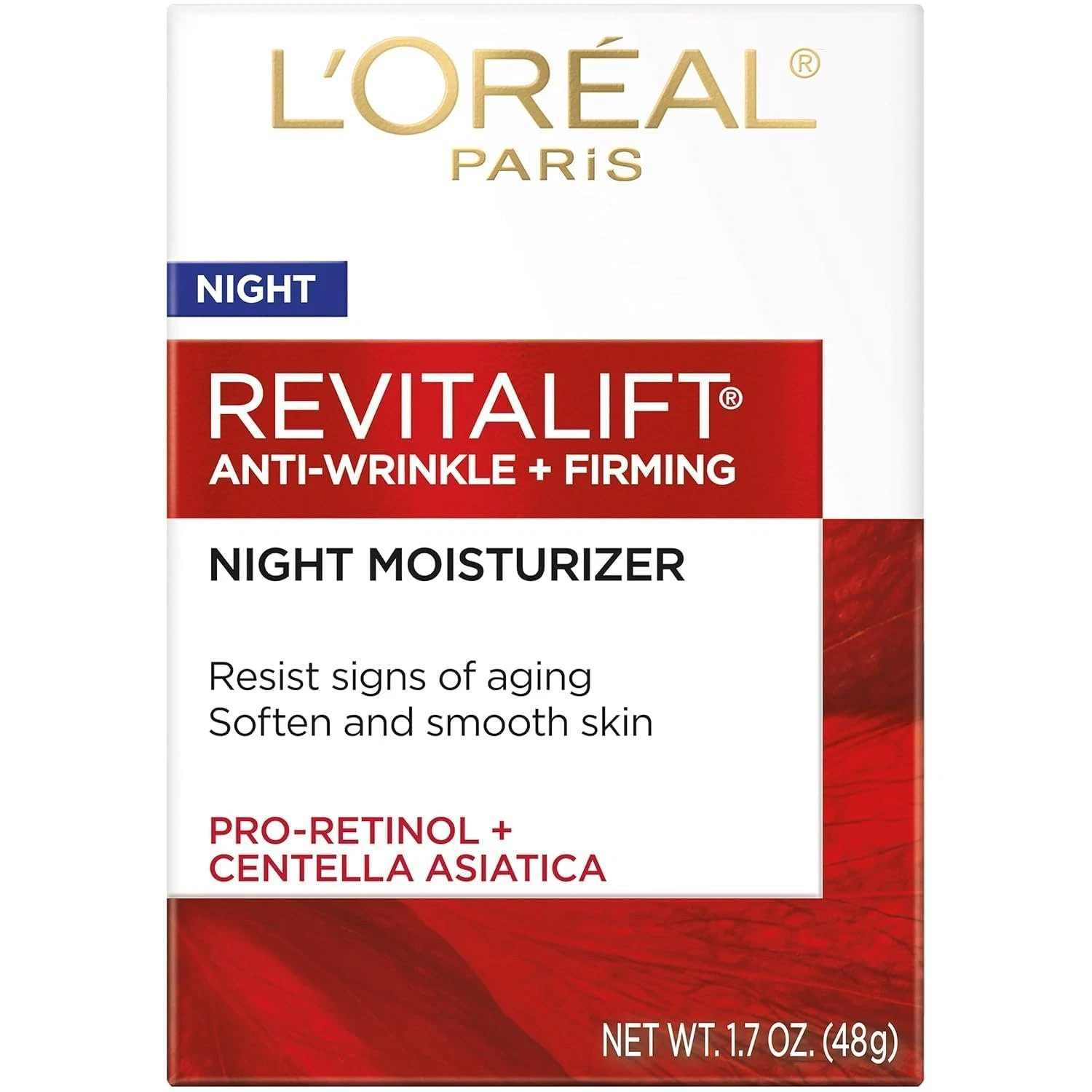
What is Glysolid and How is it Used in Everyday Life?
Answer: Glysolid is a versatile compound often used in skincare, pharmaceuticals, and personal care products due to its moisturizing and emollient properties. It is commonly found in products like lotions, ointments, and makeup removers.
Glysolid is a derivative of
glycerin and is known for its ability to retain moisture, making it a popular ingredient in products designed to hydrate and protect the skin. It is especially beneficial for individuals with dry or sensitive skin, as it helps to create a protective barrier that prevents moisture loss. Here’s how you can use
Glysolid in your daily routine:
- Identify products that contain Glysolid, such as moisturizers or makeup removers.
- Apply the product to clean, dry skin in the morning and before bedtime.
- Look for products that combine Glysolid with other hydrating ingredients like hyaluronic acid or ceramides for enhanced benefits.
- Glysolid
- A moisturizing compound derived from glycerin, used in skincare and personal care products to retain skin hydration.
- Emollient
- An ingredient that softens and soothes the skin by filling in the gaps between skin cells.
If you're looking for alternatives or similar compounds, you might also come across terms like
Glyc,
Glysal, or
Glycer, which are related but have slightly different properties and uses.
Can Glysolid Cause Skin Irritation or Allergic Reactions?
Answer: Glysolid is generally considered safe for most skin types, but in rare cases, it can cause irritation or allergic reactions, especially in individuals with sensitive skin or allergies to
glycerin-based products. To determine whether Glysolid is suitable for your skin, follow these steps:
- Check the ingredient list of the product you're using to confirm the presence of Glysolid.
- Perform a patch test by applying a small amount of the product to a discreet area of your skin, such as the inner forearm.
- Wait 24–48 hours to observe any signs of redness, itching, or irritation.
- If no adverse reaction occurs, it is likely safe to use the product on your face or body.
If you experience any discomfort, discontinue use and consult a dermatologist. Some people may also find that
Glycel or
Glycoll are gentler alternatives, depending on their skin type and sensitivity.
How Does Glysolid Compare to Other Glycerin-Based Ingredients?
Answer: Glysolid is similar to other glycerin-based ingredients like Glyc,
Glysal, and Glycer, but it has a slightly different molecular structure that enhances its moisturizing and emollient properties. To better understand the differences, here’s a comparison table:
| Ingredient | Moisturizing Effect | Texture | Common Uses |
| Glysolid | High | Light and non-greasy | Skincare, makeup removers, and ointments |
| Glyc | Moderate | Thicker and more viscous | Industrial and pharmaceutical applications |
| Glysal | High | Smooth and silky | Skincare and hair care products |
| Glycer | High | Thick and sticky | Moisturizers and soaps |
From personal experience, I found that Glysolid works best for my combination skin, as it provides hydration without leaving a greasy residue. If you're looking for a lighter alternative,
Glym or
Gly 4 might be worth trying.
What Do Users Say About Products Containing Glysolid?
Answer: Users generally report positive experiences with products containing Glysolid, especially in terms of hydration and skin texture improvement. Many users have shared that Glysolid-based products help reduce dryness and flakiness, particularly during colder months. Some have also noted that it helps makeup apply more smoothly and stay in place longer. Here are some common user feedback points:
- Hydration
- Users often mention that their skin feels more hydrated and plump after using Glysolid-based products.
- Non-greasy feel
- Many appreciate that Glysolid doesn’t leave a heavy or oily residue on the skin.
- Compatibility
- Most users find that Glysolid works well with other skincare ingredients and doesn’t cause breakouts.
However, a few users with very sensitive skin have reported mild irritation, so it’s always a good idea to do a patch test before using a new product.
Other Related Ingredients You Might Encounter
If you're exploring products with Glysolid, you may also come across similar-sounding ingredients like
Glynt,
Glity,
Glyo,
Glasy,
Glisolid,
Glycool, Glys,
Glypg,
Glyp, Glyce,
Glyf, and Gly. These terms are often used in different regions or by different manufacturers and may refer to similar or slightly modified versions of glycerin-based compounds. While they share some properties with Glysolid, they may differ in terms of formulation, texture, and intended use. For example,
Glycool is often used in industrial applications, while Glyce is more common in cosmetics. If you're unsure which one is best for your needs, it’s always a good idea to read the product label or consult with a skincare professional.