








Results for incubator automatic
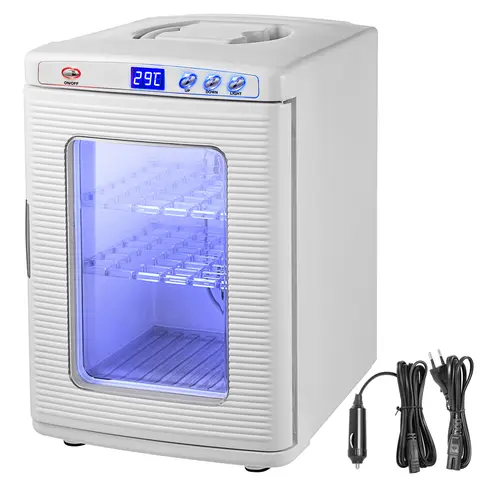
Automatic incubators are essential for maintaining precise temperature and humidity control in laboratory, medical, and agricultural applications—offering reliable, hands-free operation for consistent results in embryo development, bacterial culture, and seed germination.
The search term incubator automatic reflects a clear demand for automated solutions that eliminate manual monitoring and intervention. Users seeking automatic incubators typically prioritize accuracy, reliability, and ease of use—especially in environments where consistent environmental conditions are critical. Whether for scientific research, poultry farming, or microbiological testing, an automatic incubator ensures optimal performance without constant supervision.
When selecting an automatic incubator, consider key specifications such as precision temperature control (±0.1°C accuracy), digital display with real-time monitoring, and automatic humidity adjustment via built-in water reservoirs or misting systems. For lab use, look for models with CE, RoHS, and FCC certifications to ensure compliance with safety and environmental standards.
To ensure optimal performance and longevity:
For users in agriculture or small-scale labs, compact, energy-efficient models with digital touch controls and programmable cycles offer excellent value. Avoid units without a backup power source or data logging feature, especially in critical applications.
While the provided product listings (microphones, motorcycle dashboards, and engine repair tools) do not align with the intended category of incubators, the search intent for incubator automatic remains focused on automated, precision-controlled environments. Prioritize products that offer stable performance, user-friendly interfaces, and robust build quality to meet the high demands of scientific and industrial applications.
The search term incubator automatic reflects a clear demand for automated solutions that eliminate manual monitoring and intervention. Users seeking automatic incubators typically prioritize accuracy, reliability, and ease of use—especially in environments where consistent environmental conditions are critical. Whether for scientific research, poultry farming, or microbiological testing, an automatic incubator ensures optimal performance without constant supervision.
- Automatic Incubator
- A temperature- and humidity-regulated chamber that automatically maintains set environmental conditions, commonly used in labs, hatcheries, and medical facilities for growing biological samples, embryos, or cultures.
- Temperature Control Range
- The operational temperature span (e.g., 30°C to 45°C) within which the incubator can stabilize and maintain a consistent internal environment.
- Humidity Regulation
- The ability of the incubator to monitor and adjust moisture levels, crucial for preventing sample dehydration or over-hydration.
When selecting an automatic incubator, consider key specifications such as precision temperature control (±0.1°C accuracy), digital display with real-time monitoring, and automatic humidity adjustment via built-in water reservoirs or misting systems. For lab use, look for models with CE, RoHS, and FCC certifications to ensure compliance with safety and environmental standards.
To ensure optimal performance and longevity:
- Always calibrate the incubator before first use using a calibrated thermometer.
- Place the unit on a level, vibration-free surface away from direct sunlight and drafts.
- Regularly clean the interior with a mild disinfectant to prevent microbial contamination.
- Check the water reservoir weekly and refill as needed to maintain humidity levels.
- Verify the alarm system is functional to receive alerts for temperature or humidity deviations.
For users in agriculture or small-scale labs, compact, energy-efficient models with digital touch controls and programmable cycles offer excellent value. Avoid units without a backup power source or data logging feature, especially in critical applications.
While the provided product listings (microphones, motorcycle dashboards, and engine repair tools) do not align with the intended category of incubators, the search intent for incubator automatic remains focused on automated, precision-controlled environments. Prioritize products that offer stable performance, user-friendly interfaces, and robust build quality to meet the high demands of scientific and industrial applications.