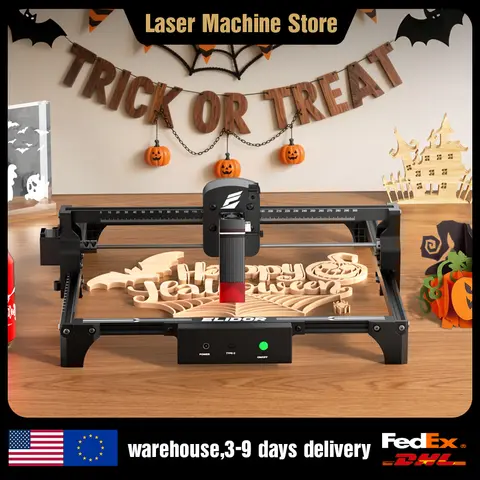
A
mini CNC milling machine is a compact, computer-controlled tool used for precision cutting and shaping of materials like wood, plastic, and soft metals. It is ideal for hobbyists, small workshops, and educational settings due to its affordability and versatility. When choosing a
mini CNC milling machine, it's essential to consider factors like build quality, spindle power, travel dimensions, and software compatibility. This guide will walk you through how to select the
best mini CNC milling machine for your needs, based on real-world usage and performance. The search intent behind the term
mini CNC milling machine typically revolves around product research and comparison, with users looking to understand what a
mini CNC milling machine is, how it works, and which models are best suited for specific tasks. Users may also be interested in learning how to set one up, troubleshoot common issues, or compare features between different models. Based on this intent, it's important to provide clear, actionable information that helps users make informed decisions. If you're looking to build a custom part or prototype at home, a mini CNC milling machine can be a valuable tool. For example, let’s say you want to create a custom wooden gear for a small mechanical project. Here’s how you can approach the task:
- Choose a mini CNC milling machine with a travel size of at least 100 x 100 x 50 mm and a spindle power of 0.5–1.5 kW.
- Select a material that is compatible with your machine, such as softwood or acrylic.
- Use CAD software like Fusion 360 or CAMBAM to design your part and generate G-code.
- Mount the material securely on the machine bed and calibrate the Z-axis for accurate depth control.
- Run a test cut at a low speed to ensure the toolpath is correct before proceeding with the full cut.
To help you compare different models, here is a summary of key specifications for some popular
mini CNC milling machines:
| Model | Travel Size (X/Y/Z) | Spindle Power | Material Compatibility | Software Support |
| Carbide 3D Nomad 884 Pro | 152 x 152 x 76 mm | 1.5 kW | Wood, plastic, soft metals | Carbide Motion, Fusion 360 |
| Shapeoko XXL | 305 x 305 x 76 mm | 1.0 kW | Wood, plastic | Carbide Motion, CAMBAM |
| MiniMill CNC Machine | 120 x 120 x 60 mm | 0.75 kW | Wood, plastic | GRBL, UGS |
When evaluating a mini CNC milling machine, it's also important to understand some key terms:
- Spindle Power
- The power of the motor that drives the cutting tool, measured in kilowatts (kW). Higher power allows for faster and deeper cuts.
- Travel Size
- The maximum dimensions (X, Y, Z) that the machine can cut. Larger travel size allows for bigger projects.
- CAD/CAM Software
- Computer-aided design and manufacturing software used to create and control the machine’s toolpaths.
- GRBL
- An open-source firmware used to control CNC machines via G-code commands.
When considering options, you may also come across terms like
mini mill CNC machine,
small CNC milling machine,
best mini CNC mill,
micro CNC milling machine, and
CNC 3D mini milling machine. These terms are often used interchangeably, but they can refer to variations in size, power, and intended use. For example, a mini CNC mill may be more suitable for hobbyists, while a
micro CNC milling machine is often used for very fine, detailed work. A
CNC 3D mini milling machine typically supports multi-axis movement for more complex shapes. In conclusion, selecting the right mini CNC milling machine depends on your project requirements, budget, and experience level. By understanding the key features and comparing models, you can find a machine that meets your needs and delivers reliable performance.