





4.3
Results for iphone5 battery
The iPhone 5 battery is no longer officially supported by Apple, but third-party replacements are available with reliable performance, safety certifications, and compatible specifications. While original Apple batteries are discontinued, high-quality aftermarket options can restore your device’s power efficiency and extend its usability.
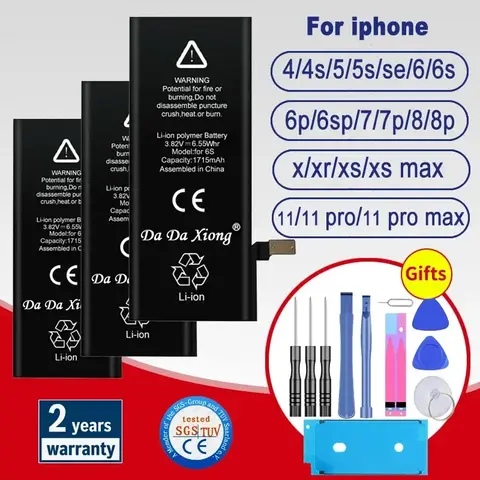
When users search for iphone5 battery, they are typically seeking a replacement for their aging iPhone 5, which suffers from reduced battery life due to natural degradation over time. The original lithium-ion battery in the iPhone 5 has a nominal capacity of approximately 1440mAh and a rated voltage of 3.8V. Over time, this capacity drops significantly—often below 70%—leading to frequent charging and unexpected shutdowns. Users are therefore looking for a safe, durable, and efficient replacement that matches or exceeds the original performance.
To ensure safety and longevity, always choose a replacement battery that includes protection circuits (overcharge, over-discharge, short-circuit protection) and is certified with CE, FCC, and RoHS. Avoid batteries with no certifications or those sold at suspiciously low prices—these often lack proper safety features and may pose fire or explosion risks.
While the iPhone 5 is no longer supported by Apple, a well-chosen replacement battery can extend its life for years. Look for reputable brands that provide clear specifications, safety certifications, and transparent packaging. A quality battery not only restores power but also ensures your device remains safe and reliable.
When users search for iphone5 battery, they are typically seeking a replacement for their aging iPhone 5, which suffers from reduced battery life due to natural degradation over time. The original lithium-ion battery in the iPhone 5 has a nominal capacity of approximately 1440mAh and a rated voltage of 3.8V. Over time, this capacity drops significantly—often below 70%—leading to frequent charging and unexpected shutdowns. Users are therefore looking for a safe, durable, and efficient replacement that matches or exceeds the original performance.
- Li-ion Battery (Lithium-ion Battery)
- A rechargeable battery technology commonly used in smartphones, known for high energy density, low self-discharge, and no memory effect. It requires proper voltage regulation and protection circuits to prevent overheating or overcharging.
- Nominal Capacity
- The standard capacity rating of a battery under normal operating conditions. For the iPhone 5, this is typically 1440mAh; aftermarket replacements may offer slightly higher capacity (e.g., 1500–1800mAh) for improved runtime.
- Rated Voltage
- The standard operating voltage of a battery. For the iPhone 5, this is 3.8V. Using a battery with incorrect voltage can damage the device.
To ensure safety and longevity, always choose a replacement battery that includes protection circuits (overcharge, over-discharge, short-circuit protection) and is certified with CE, FCC, and RoHS. Avoid batteries with no certifications or those sold at suspiciously low prices—these often lack proper safety features and may pose fire or explosion risks.
- Verify the battery’s voltage (must be 3.8V) and capacity (ideally 1500mAh or higher).
- Ensure the battery includes a built-in protection circuit and is made from high-quality lithium-ion cells.
- Check for official certifications (CE, FCC, RoHS) and customer reviews with photos of installation.
- Use a professional repair kit or service to install the battery—avoid DIY methods that risk damaging internal components.
- After installation, monitor the device for overheating, swelling, or rapid discharge, which may indicate a faulty battery.
While the iPhone 5 is no longer supported by Apple, a well-chosen replacement battery can extend its life for years. Look for reputable brands that provide clear specifications, safety certifications, and transparent packaging. A quality battery not only restores power but also ensures your device remains safe and reliable.